

California’s New Booster-Seat Law: Smart Safety Move or Government Overreach? Luật Ghế Nâng Cao Mới Ở California: Bảo Vệ Trẻ Hay Làm Khó Phụ Huynh?
__ENGLISH
Op-ed for Viet News Daily – By Phương Quỳnh
California is once again at the center of a heated debate — this time over a new child-safety law signed by Governor Gavin Newsom in late 2025. The new law strengthens booster-seat requirements and changes how parents determine whether their child is ready to use a regular seat belt. Supporters call it a lifesaving update; critics call it confusing, intrusive, and ripe for unequal enforcement.
What the new law actually changes
Under current California law, children must ride in a booster seat until age 8 or 4 feet 9 inches tall. The new legislation, taking effect January 1, 2027, requires children ages 8 to 16 to pass a five-step seat-belt-fit test, including:
- The child sits fully against the back of the seat.
- Knees bend naturally at the edge.
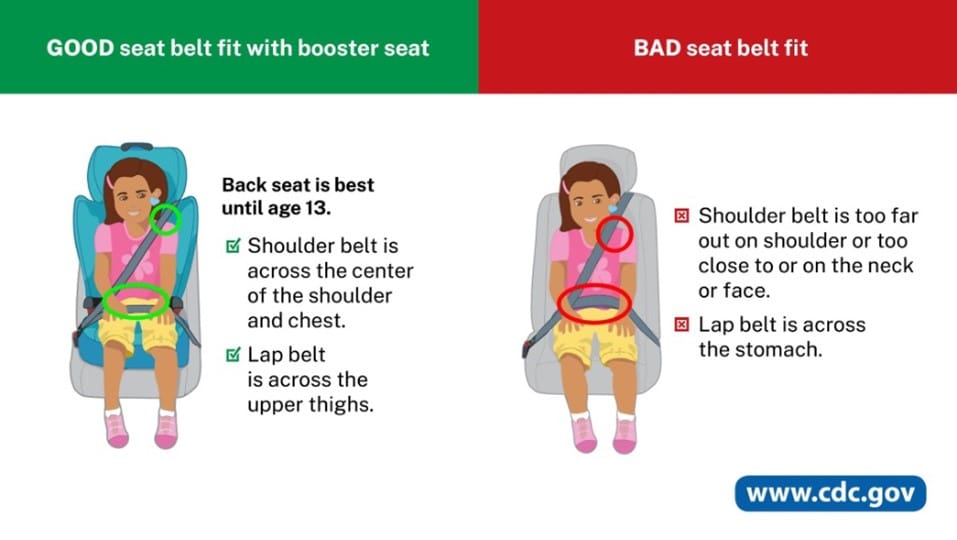
- Shoulder belt rests between the neck and shoulder.
- Lap belt sits low on the thighs, not the stomach.
- They can maintain this position for the entire trip.
If not, they legally still need a booster seat.
Advocates say this makes sense: seat belts were designed for adult bodies, and poor fit significantly increases the risk of severe injury in a collision.
Why the law is controversial
But the update has sparked strong reactions:
- Parents say the five-step test is too subjective, creating uncertainty rather than clarity.
- Some fear increased police stops, especially for Latino, Asian, and immigrant communities.
- Critics argue the law overregulates families, adding cost burdens for low-income parents who may now need booster seats for older kids.
- Car-safety experts are split — some praise the flexibility, others say the law fails by not simply raising the height requirement.
- Online misinformation has exaggerated the law, falsely claiming California is requiring booster seats “until age 13” — which is not true.
A Vietnamese-American community perspective
For Vietnamese families in California, this law lands differently.
The benefits:
- It promotes real safety, not just technical compliance.
- The five-step checklist provides clearer guidance for parents who may not follow English-only instructions.
The challenges:
- Many Vietnamese-speaking families may not receive proper outreach in their language.
- The law can feel intimidating or confusing without translated materials.
- Fear of unequal enforcement is real in immigrant communities that already feel targeted in traffic stops.
What families should do now
- Test your child’s seat-belt fit now, not in 2027.
- Seek Vietnamese-language guidance from schools, clinics, or community groups.
- Plan financially if your child may need a booster longer than expected.
- Prioritize safety over the minimum legal requirement — if the belt doesn’t fit, use a booster.
- Ask local agencies for Vietnamese-language materials so our community isn’t left behind.
A law is only as good as its outreach
Governor Newsom’s new booster-seat law aims to protect children — a goal no one doubts. But unless the state invests in multilingual outreach, fair enforcement, and cultural awareness, the communities that need safety the most may feel the most burden.
For Vietnamese-American families, this is the moment to push for clarity, demand translated resources, and ensure our children benefit from safety — not confusion.
__VIETNAMESE
Bình luận cho Viet News Daily – Bởi Phương Quỳnh
California lại trở thành tâm điểm tranh cãi sau khi Thống đốc Gavin Newsom ký luật mới tăng cường quy định sử dụng ghế nâng cao cho trẻ em. Mục tiêu của luật là an toàn — nhưng không phải ai cũng đồng ý rằng cách làm này phù hợp.
Luật mới quy định gì?
Luật hiện tại yêu cầu trẻ phải ngồi ghế nâng cao đến 8 tuổi hoặc cao 4’9”.
Luật mới (hiệu lực 1/1/2027) yêu cầu trẻ từ 8 đến 16 tuổi phải vượt qua bài kiểm tra 5 bước, bao gồm:
- Ngồi sát lưng ghế.
- Đầu gối gập thoải mái ở mép ghế.
- Dây an toàn vai nằm đúng giữa cổ và vai.
- Dây an toàn hông nằm thấp, sát đùi.
- Giữ tư thế suốt chuyến đi.
Nếu không đạt, trẻ vẫn phải ngồi ghế nâng cao.
Vì sao tranh cãi nổ ra?
- Nhiều phụ huynh cho rằng bài kiểm tra quá chủ quan, khó biết đúng sai.
- Một số lo lực lượng cảnh sát có thể lạm dụng luật để dừng xe nhiều hơn.
- Những gia đình thu nhập thấp lo chi phí mua ghế nâng cao mới cho trẻ lớn hơn.
- Một số nhóm tài xế gọi đây là “luật chính quyền can thiệp quá mức”.
Góc nhìn từ cộng đồng người Việt
Điểm tích cực:
- Giúp bảo vệ trẻ em tốt hơn.
- Cung cấp hướng dẫn cụ thể mà phụ huynh người Việt có thể theo dõi.
Điểm khó khăn:
- Nhiều phụ huynh không biết nơi nào có hướng dẫn tiếng Việt.
- Luật càng phức tạp thì cộng đồng nhập cư càng dễ bị thiệt.
- Nếu không giải thích rõ ràng, phụ huynh có thể hiểu sai hoặc bị phạt oan.
Phụ huynh nên làm gì?
- Kiểm tra dây an toàn của con ngay bây giờ.
- Tìm tài liệu/đồ họa tiếng Việt từ trường học, trung tâm y tế hoặc tổ chức cộng đồng.
- Chuẩn bị ngân sách nếu cần mua ghế nâng cao cho trẻ lớn.
- Ưu tiên an toàn hơn là “đúng luật tối thiểu.”
- Yêu cầu cơ quan công quyền cung cấp hướng dẫn bằng tiếng Việt.
Kết luận
Luật mới của California có ý tốt: bảo vệ trẻ em. Nhưng muốn hiệu quả, luật cần được giải thích, hướng dẫn và thực thi công bằng. Với cộng đồng người Việt, đây là cơ hội để lên tiếng — yêu cầu tài liệu tiếng Việt, yêu cầu minh bạch, và bảo đảm con em chúng ta được bảo vệ đúng nghĩa.