
Opinion: PG&E Electricity Rates Are Becoming a Quiet but Dangerous Cost-of-Living Crisis in California Ý Kiến: Giá Điện PG&E Đang Trở Thành Một Cuộc Khủng Hoảng Chi Phí Sinh Hoạt Âm Thầm Nhưng Nguy Hiểm Tại California
__ENGLISH
Electricity bills in California are no longer just a monthly expense — they are becoming a source of anxiety.
Across the state, households are opening their utility statements with growing concern, watching charges climb year after year with little relief in sight. For many families, especially those already struggling with housing, insurance, and food costs, electricity has quietly joined the list of essentials that are becoming increasingly difficult to afford.
At the center of this issue is PG&E, the state’s largest electricity provider, serving millions of Californians across Northern and Central California.
Rising Rates With No Clear End
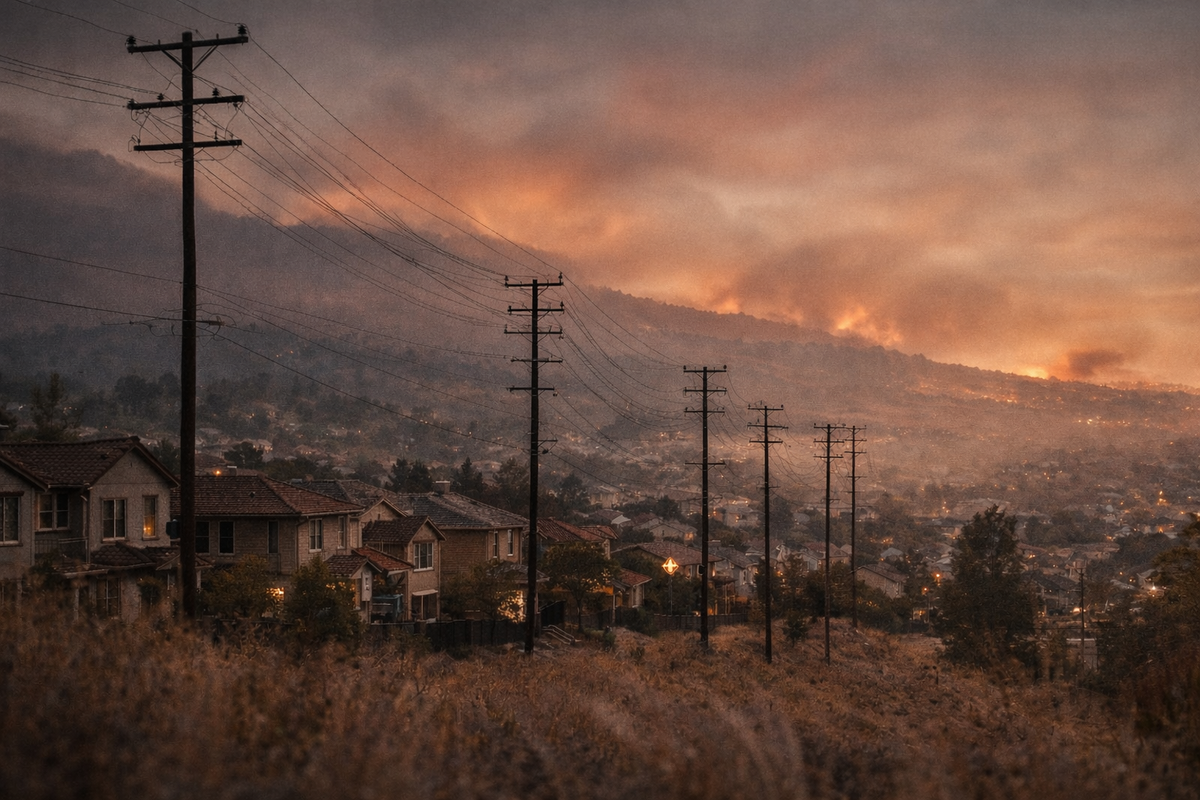
PG&E customers have experienced multiple rate increases in recent years, often justified by wildfire mitigation efforts, grid upgrades, and safety investments. These explanations are not without merit — California’s energy infrastructure must adapt to climate change and extreme weather.
But what is missing from the conversation is the cumulative impact.
When rates rise once, households adjust. When they rise again and again, year after year, the adjustment becomes impossible. Electricity is not a discretionary expense. Families cannot simply “use less” during record heat waves or colder winters without risking health and safety.
When a Basic Necessity Becomes a Financial Burden
Electricity powers nearly every aspect of modern life: refrigeration, medical devices, heating and cooling, internet access, and work-from-home jobs. Unlike groceries or entertainment, there is no meaningful alternative.
Editor’s Opinion:
Electricity is a basic necessity, not an optional service. When utility rates rise faster than wages and inflation, the burden falls hardest on working families, seniors, and immigrant communities who have the fewest alternatives.
For renters, the situation is even more constrained. They cannot install solar panels, upgrade insulation, or invest in energy-saving infrastructure. Seniors on fixed incomes face similar limits, forced to absorb increases without any ability to offset them.
Trust, Accountability, and Public Frustration
PG&E’s troubled history — including catastrophic wildfires linked to equipment failures and subsequent bankruptcy — still weighs heavily on public trust. While the company has made progress in safety investments, many Californians remain skeptical.
Ratepayers frequently ask:
Why are customers consistently asked to pay more, while meaningful accountability feels distant?
Executive compensation, shareholder expectations, and regulatory complexity all contribute to a perception that the system prioritizes stability for institutions over affordability for residents.
A Growing Equity and Public Health Issue
High electricity costs are not just a financial problem — they are a public health concern.
During heat waves, households may limit air conditioning to save money, increasing the risk of heat-related illness. Multigenerational immigrant households often consume more electricity simply because more people share the same space, resulting in higher bills through no fault of their own.
Those most affected include:
- Seniors living on fixed incomes
- Low- and middle-income families
- Immigrant households with limited access to assistance programs
As bills rise, families are forced into difficult trade-offs: electricity or groceries, utilities or medication.
Climate Goals Must Include Affordability
California has set ambitious climate and clean energy goals — and rightly so. But sustainability cannot be achieved by placing disproportionate financial strain on residents.
A clean energy transition that prices people out of basic utilities risks losing public support altogether.
Policymakers must confront difficult questions:
- How are costs allocated between utilities, shareholders, and consumers?
- Are rate increases being evaluated through an affordability lens?
- Are assistance programs sufficient, accessible, and multilingual?
Without addressing these issues, rate hikes will continue to erode trust.
California Must Rebalance the Equation
The solution is not to abandon safety or climate investments — it is to rebalance priorities.
This includes:
- Greater transparency in rate-setting decisions
- Stronger consumer protections
- Expanded relief programs for vulnerable households
- Clear accountability measures tied to rate increases
Electricity should power California forward — not quietly push families backward.
Editor’s Note:
This opinion article is informed by reporting from major media outlets and official California regulatory agencies. While the views expressed are editorial, the underlying facts regarding electricity rates and regulatory decisions are supported by verified public reporting.
Sources & Further Reading
- Reuters – Rising California electricity bills and wildfire costs
https://www.reuters.com/world/us/california-power-bills-rise-wildfire-costs-2023-09-29/ - Los Angeles Times – PG&E rate hikes and consumer impact
https://www.latimes.com/business/story/2024-01-04/pge-rate-hikes-california - California Public Utilities Commission (CPUC) – Electricity rate oversight
https://www.cpuc.ca.gov/industries-and-topics/electrical-energy - San Francisco Chronicle – How rising power bills affect households
https://www.sfchronicle.com/climate/article/pge-electricity-rates-18673584.php
__VIETNAMESE
Hóa đơn điện tại California không còn chỉ là một khoản chi hàng tháng — mà đang trở thành nỗi lo thường trực của nhiều gia đình.
Trên khắp tiểu bang, người dân mở hóa đơn điện với cảm giác bất an khi chi phí liên tục tăng qua từng năm. Với nhiều gia đình đã chật vật vì tiền nhà, bảo hiểm và thực phẩm, điện đã âm thầm trở thành một gánh nặng sinh hoạt mới.
Trung tâm của vấn đề này là PG&E, công ty cung cấp điện lớn nhất California, phục vụ hàng triệu cư dân tại Bắc và Trung California.
Giá Điện Tăng Liên Tục, Không Có Điểm Dừng Rõ Ràng
Khách hàng của PG&E đã trải qua nhiều đợt tăng giá trong những năm gần đây, thường được giải thích là để phòng cháy rừng, nâng cấp lưới điện và cải thiện an toàn. Những lý do này không phải không có cơ sở.
Tuy nhiên, điều đáng lo ngại là tác động cộng dồn của các đợt tăng giá.
Điện không phải là chi tiêu có thể dễ dàng cắt giảm. Trong các đợt nắng nóng kỷ lục hay mùa lạnh, việc hạn chế sử dụng điện có thể gây nguy hiểm cho sức khỏe.
Khi Nhu Cầu Thiết Yếu Trở Thành Gánh Nặng Tài Chính
Điện năng phục vụ mọi mặt của đời sống hiện đại: bảo quản thực phẩm, thiết bị y tế, sưởi ấm, làm mát, internet và công việc tại nhà. Không giống như các khoản chi khác, điện gần như không có lựa chọn thay thế.
Ý kiến Biên Tập:
Điện là nhu cầu thiết yếu, không phải dịch vụ tùy chọn. Khi giá điện tăng nhanh hơn thu nhập và lạm phát, những người chịu ảnh hưởng nặng nề nhất là các gia đình lao động, người cao tuổi và cộng đồng nhập cư — những người có ít lựa chọn nhất.
Người thuê nhà không thể lắp điện mặt trời hay cải tạo tiết kiệm năng lượng. Người cao tuổi sống bằng trợ cấp cố định cũng không có khả năng bù đắp chi phí tăng.
Niềm Tin Công Chúng Và Vấn Đề Trách Nhiệm
Lịch sử đầy tranh cãi của PG&E — bao gồm các vụ cháy rừng nghiêm trọng và phá sản — vẫn ảnh hưởng mạnh đến niềm tin của người dân. Dù công ty đã đầu tư vào an toàn, nhiều người vẫn đặt câu hỏi:
Vì sao người dân luôn là bên phải gánh chi phí, trong khi trách nhiệm giải trình chưa rõ ràng?
Vấn Đề Công Bằng Xã Hội Và Sức Khỏe Cộng Đồng
Giá điện cao không chỉ là vấn đề tài chính — mà còn là vấn đề sức khỏe cộng đồng.
Trong các đợt nắng nóng, nhiều gia đình buộc phải hạn chế máy lạnh để tiết kiệm tiền, làm tăng nguy cơ bệnh do nóng. Các gia đình nhập cư sống chung nhiều thế hệ thường tiêu thụ nhiều điện hơn, dẫn đến hóa đơn cao hơn dù không hề lãng phí.
Mục Tiêu Khí Hậu Phải Đi Kèm Khả Năng Chi Trả
California có các mục tiêu năng lượng sạch đầy tham vọng. Nhưng một quá trình chuyển đổi bền vững không thể thành công nếu người dân không còn đủ khả năng chi trả cho điện.
Nếu không giải quyết vấn đề chi phí, niềm tin của công chúng sẽ tiếp tục suy giảm.
California Cần Cân Bằng Lại Ưu Tiên
Giải pháp không phải là từ bỏ an toàn hay môi trường, mà là cân bằng lại cách phân bổ chi phí.
Điện năng phải giúp California đi lên — chứ không phải âm thầm đẩy các gia đình tụt lại phía sau.
Ghi chú Biên tập:
Bài viết ý kiến này dựa trên các nguồn tin chính thống và cơ quan quản lý của tiểu bang California. Dù mang tính bình luận, các dữ kiện liên quan đến giá điện và chính sách đều dựa trên báo cáo xác thực.
Nguồn tham khảo:
- Reuters – Rising California electricity bills and wildfire costs
https://www.reuters.com/world/us/california-power-bills-rise-wildfire-costs-2023-09-29/ - Los Angeles Times – PG&E rate hikes and consumer impact
https://www.latimes.com/business/story/2024-01-04/pge-rate-hikes-california - California Public Utilities Commission (CPUC) – Electricity rate oversight
https://www.cpuc.ca.gov/industries-and-topics/electrical-energy - San Francisco Chronicle – How rising power bills affect households
https://www.sfchronicle.com/climate/article/pge-electricity-rates-18673584.php