
Vietnamese diaspora submits proposal for cultural emoji to Unicode Cộng đồng người Việt hải ngoại nộp đề xuất emoji văn hóa lên Unicode

__ENGLISH
A proposal to introduce a Vietnamese heritage symbol emoji into the Unicode system has officially been submitted, marking a significant milestone for the global Vietnamese diaspora.
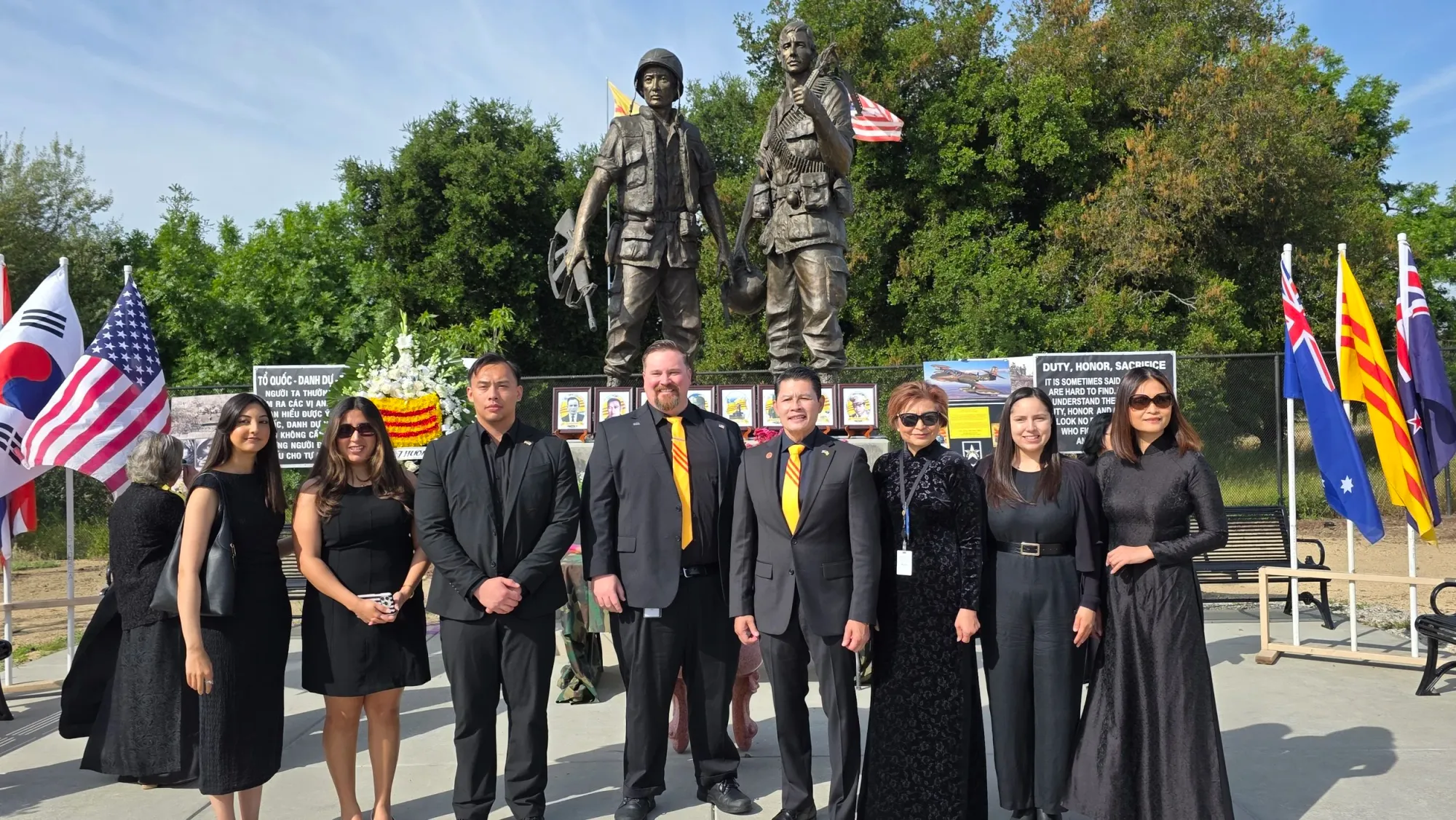
The proposal was led by the office of San José Councilmember Bien Doan, in collaboration with community advocates and volunteers, following months of research, outreach, and documentation efforts.
Completed in April 2026, the submission seeks to establish a culturally representative emoji that reflects the identity, history, and shared experiences of millions of Vietnamese people living outside of Vietnam.
According to the submission, more than 4,800 supporters participated through community outreach and petition efforts, demonstrating measurable engagement across multiple regions, including the United States, Canada, Australia, Europe, and parts of Asia.
The proposal emphasizes that while no existing emoji accurately represents the Vietnamese diaspora experience, the demand for such a symbol has grown steadily over time. Community advocates argue that digital communication increasingly relies on visual symbols, and the absence of a culturally relevant emoji creates a gap in representation.
To support its case, the proposal includes comparative data commonly used in Unicode evaluations. Search interest for “Vietnamese heritage” was analyzed alongside the reference term “elephant,” illustrating that while overall search volume is lower, it reflects the nature of a culturally specific identity term rather than a broad general-interest keyword. Additional frequency data from Google Search and Google Video Search further contextualizes expected usage.
The submission also highlights that the Vietnamese diaspora is a large and globally distributed community with decades of continuous cultural expression, civic engagement, and symbolic usage. Advocates argue that encoding such a symbol would provide millions of users with a meaningful and widely recognized way to express identity in digital communication.
Unicode, the organization responsible for standardizing text and emoji across digital platforms, receives numerous proposals each year. Not all submissions are accepted, and the review process can take several months or longer.
While the outcome remains uncertain, the submission itself represents a collective effort by the Vietnamese diaspora to seek recognition in the global digital landscape.
__VIETNAMESE
Một đề xuất đưa biểu tượng văn hóa của cộng đồng người Việt vào hệ thống emoji của Unicode đã chính thức được nộp, đánh dấu một cột mốc quan trọng đối với cộng đồng người Việt trên toàn thế giới.
Đề xuất này được dẫn dắt bởi văn phòng Nghị viên Bien Doan tại thành phố San José, phối hợp cùng các thành viên trong cộng đồng và tình nguyện viên, sau nhiều tháng nghiên cứu, vận động và hoàn thiện hồ sơ.
Được hoàn tất vào tháng 4 năm 2026, bản đề xuất nhằm xây dựng một emoji mang tính đại diện văn hóa, phản ánh bản sắc, lịch sử và trải nghiệm chung của hàng triệu người Việt đang sinh sống ngoài lãnh thổ Việt Nam.
Theo nội dung đề xuất, hơn 4,800 người đã tham gia ủng hộ thông qua các hoạt động vận động cộng đồng và ký thỉnh nguyện thư, cho thấy mức độ tham gia đáng kể tại nhiều khu vực như Hoa Kỳ, Canada, Úc, châu Âu và một số quốc gia châu Á.
Bản đề xuất nhấn mạnh rằng hiện nay chưa có emoji nào thể hiện đúng trải nghiệm của cộng đồng người Việt hải ngoại, trong khi nhu cầu về một biểu tượng như vậy ngày càng gia tăng. Các nhà vận động cho rằng trong thời đại giao tiếp số, biểu tượng trực quan đóng vai trò rất quan trọng, và việc thiếu vắng một emoji mang tính đại diện văn hóa đã tạo ra một khoảng trống đáng kể.
Để củng cố lập luận, đề xuất đã đưa vào các dữ liệu so sánh theo tiêu chuẩn Unicode. Lượng tìm kiếm cho cụm từ “Vietnamese heritage” được so sánh với từ khóa tham chiếu “elephant,” cho thấy dù tổng lượng tìm kiếm thấp hơn, nhưng điều này phản ánh đặc tính của một khái niệm văn hóa chuyên biệt, không phải một chủ đề phổ thông đại trà. Ngoài ra, các số liệu từ Google Search và Google Video Search cũng được sử dụng để cung cấp bối cảnh về mức độ sử dụng dự kiến.
Đề xuất cũng chỉ ra rằng cộng đồng người Việt hải ngoại là một cộng đồng lớn, phân bố trên toàn cầu, với hàng chục năm duy trì bản sắc văn hóa, hoạt động xã hội và biểu tượng chung. Việc mã hóa một emoji đại diện sẽ giúp hàng triệu người có thêm một phương tiện ý nghĩa và được công nhận rộng rãi để thể hiện bản sắc trong giao tiếp kỹ thuật số.
Unicode, tổ chức chịu trách nhiệm tiêu chuẩn hóa văn bản và emoji trên toàn cầu, nhận rất nhiều đề xuất mỗi năm. Không phải tất cả đều được chấp thuận, và quá trình xét duyệt có thể kéo dài nhiều tháng hoặc hơn.
Dù kết quả cuối cùng vẫn còn chưa rõ ràng, việc nộp đề xuất lần này đã thể hiện nỗ lực tập thể của cộng đồng người Việt hải ngoại trong việc tìm kiếm sự hiện diện và công nhận trong không gian số toàn cầu.